Sunday, May 13, 2018

Anaemia (Low Haemoglobin) - Symptoms and Treatment

Anaemia is probably one of the most common diseases in India inflicting more females than males wherein Haemoglobin levels are lower than the normal range. Approximately 40% of India's female population and 30% of male population are suffering from Anaemia. There are multiple types of Anaemias like
  • Iron deficiency anaemia
  • Thalassaemia
  • Aplastic anaemia
  • Haemolytic anaemia
  • Sickle cell anaemia
  • Pernicious anaemia
  • Fanconi anaemia
We will talk today about the most common type of Anaemia which is Iron-deficiency Anaemia.


Symptoms of Iron Deficiency Anaemia.
  • general fatigue.
  • weakness.
  • pale skin.
  • shortness of breath.
  • dizziness.
  • strange cravings to eat items that aren't food, such as dirt, ice, or clay.
  • a tingling or crawling feeling in the legs.
  • tongue swelling or soreness, etc.
Diagnosis - A simple blood test can determine Haemoglobin levels.

Home Remedies
  1. Have a glass full of pomegranate juice every day early morning on an empty stomach. For patients suffering from constipation, have 1 tsp of Triphala powder with water prior to drinking the juice.
  2. Make a glassful soup of Carrot and Beetroot. Add to this 15 ml of Amla juice. Have half a glass after or during lunch and half a glass after or during dinner. Doing this will increase the haemoglobin levels within 15 days.

Sunday, April 15, 2018

Rashes and Eczema - Symptoms and Treatment

Rashes and Eczema are a common problem that increases in the summer season and also the September October region in India. It is a common problem but can cause a lot of problems and is associated with multiple diseases.


Major symptoms -
1. Burning at rashes site
2. Itching at rashes site
3. Reddish or Blackish discoloration of the skin
4. Skin becomes Scaly

Associated Symptoms -
1. Acidity
2. Headaches
3. Hairfall
4. Burning of palms of hands and sole of feet
5. Anger/ Irritation increases
6. Lack of quantity of sleep
7. Excessive fatigue
8. Urinary Tract Infection (Burning urination)

Dont's -
1. Do not scratch the rash
2. Do not eat sour food or fruits
3. Avoid spicy food at all costs
4. Avoid fermented foods like idli, dosa, dhoklas, alcohol, bread and bread items, dahi (curd, yogurt) and dahi items like buttermilk, lassi, kadhi etc.
5. Do not stay up late at night or stay hungry for long durations.
6. Avoid salt intake as much as possible
7. Stay off sweets for the duration of the rash.

Home Remedies -
1. Take 1 tablespoon of fennel seeds with 8 dried black seeded grapes and soak them overnight in a small bowl of water. Early morning eat the fennel seeds (saunf), the grapes (munakka) and drink the water it was soaked in.
2. A paste made from malai mixed with haldi (turmeric) should be applied locally and kept for 20 minutes minimum a day. On the second day application of honey must be done. Third day repeat the malai and haldi mixture and keep doing such alternate day applications daily.
3. Have more of cow's ghee and cow's milk in daily diet.


Friday, March 30, 2018

PCOD/PCOS - Symptoms, Complications and Treatments

What is PCOD??

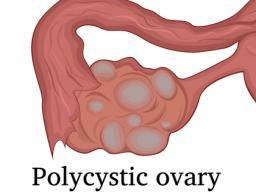
PCOD(S) also known as Polycystic Ovarian Disease or Syndrome is a hormonal disorder causing enlarged ovaries with multiple cysts formed on its outer edges.
It is important to know and to cure as it affects 1/3rd of the Female population in India.

PCOD is generally termed incurable and self-resolving by Doctors, but in Ayurveda, we are famously known to cure this "Incurable" condition in as soon as 1 month, with the average span of treatment being 3 months.
What is polycystic ovary syndrome?

Why treat PCOD??

1. It increases greatly the risk of contracting Type 2 Diabetes
2. There is an increased chance of complications during pregnancy
3. Increased chance of Endometrial Cancer
4. Conception becomes difficult and sometimes complications can make it potentially dangerous.
5. Can cause venous thromboembolism.

What are the symptoms of PCOD??

1. Irregular period cycle
2. Extra facial hair
3. Acne (Pimples)
4. Excessive weight gain
5. Darkening of skin

How to find out??

Do a simple Sonography called - USG Pelvis to find out whether you suffer from PCOD.

Treatment of PCOD

1. A person suffering from PCOD must compulsorily drink water in a sipping fashion ensuring that not more than half a glass is consumed in one go.
2. 1 tsp of Triphala powder, 1 tsp of dry ginger powder should be mixed. This powder should be made into a round ball by mixing it with til oil and jaggery. Have one such medicine ball twice a day just before lunch and dinner.

Using these home remedies, within a month, you should find that the cysts in the ovaries and the bulkiness of the ovaries start reducing and you can actually solve this "incurable" disease very easily.

Kindly share these remedies as it could help people tremendously changing their lives completely.

Sunday, February 18, 2018

Cough, Cold & Sore Throat - Treatment

A cough and a cold are one of the most commonly encountered diseases, yet unfortunately, they are not the most pleasant to encounter. Coughing can keep you up at night, disrupt daily activities and ruin your day. A cold can add a lot of distress, inconvenience and also a quite a lot of tissue papers.

The most common symptoms that accompany this illness are sinusitis, cough (dry or wet), headache, congestion, sore throat, breathing difficulties, body ache, lack of energy and drowsiness. Fever is also a common symptom that occurs post being infected by the virus.

For a headache, due to inflamed sinuses, refer to this video for home remedies:


Home Remedies for Cough and Cold :


For sore throat use these home remedy


In case of a Fever, please refer to this blog

http://drmanaangandhi.blogspot.in/2017/10/fever-ty.html


Sunday, December 10, 2017

Intestinal Gas, Bloating and Pain in the Stomach - Causes and Treatment

A lot of times we encounter a niggling pain in the stomach or a pricking piercing pain in the abdomen which does not last for too long, this may be due to gas accumulation in the intestines. Intestinal gas can also cause a lot of bloating of the stomach many-a-times giving us the feeling of being fat.

Causes - 

Intestinal Gas can be caused due to many reasons which are mostly related to diet and lifestyle.

1. Incompatible food - Every individual has some type of food which is not easily digestible by the person. Having such type of food is bound to produce Intestinal Gases.

2. Beans - Beans are well known to cause a lot of Intestinal Gas and hence must be avoided in such cases.

3. Dry foods - Foods like sev, mumra, popcorn, makhana, kurmura, chevda etc causes the formation of gases.

4. Lack of lubrication - More often than not, it's not what you have but what you do not have that causes the problem. In a tropical country like India, there is a lot of requirement for lubrication in the body. Water does not and can not bring about lubrication despite the common misconception that it does. Hence substances like ghee, olive oil, coconut oil etc are extremely important to maintain this lubrication.

5. Stale food - Food that is cooked more than 8 hours ago and eaten later despite being re-heated is still considered stale food. Stale food causes tremendous amount of gas and a constant habit of eating stale food will in all likelihood result in disease.

6. Long Gap between meals - Keeping a gap between meals by more than 6 hours is considered to be a long gap. Keeping long gaps and frequent fasting causes the production of Intestinal gases.

7. Late Nights - Staying awake late at night causes both acidity and gas.

8. Stress - Stress is also known to produce abdominal pain and gas.

9. Constipation - Arguably the biggest contributor to the Intestinal gas formation, is constipation. When motions are not clear, the disintegration of stools causes a tremendous amount of gas. Clearing the motions as soon as possible must be the first priority if diseases are to be avoided.

Treatment - 

First of all, identify the cause and change your diet and lifestyle to avoid causes for the constant formation of gas.

For treatment, please refer to the home remedies mentioned in the video below.

For constipation, please refer to the home remedies mentioned in the video below


Saturday, November 18, 2017

Gallbladder stones - Should you really operate?

Gallbladder stones are nothing but a calcified mass present in the gallbladder (a small organ below the liver responsible for storing bile).
Bile is not produced by the gallbladder but simply stored there. The work of bile is to emulsify and hence digest fats.

Gallbladder stones are very common occurrences with most people having them and not realizing it, sometimes throughout their lives. In more than 90% of cases, gallbladder stones are incidentally found when scanning for some other problem.

Such accidental incidences become goldmines for people looking to make money from ignorant patients. The reason behind my writing this blog is simply to make the readers aware of the facts so they are well-informed themselves and can guide others in taking the correct decision.

Let us classify Gallbladder stones into 2 types

1. Asymptomatic - This is the majority of people suffering from gallbladder stones. They do not have a single instance the typical pricking, debilitating pain of gallstones and are absolutely symptom-free. They may have 1 or even multiple stones in their gallbladder, yet they have no problem whatsoever in terms of digestion and are absolutely normal.

2. Symptomatic - This is a very small minority of people who have typical gallstone symptoms which include a sharp pricking pain suddenly on the right-hand side just below the liver area. They also tend to have such a pain on increased consumption of fats in their food.

If you fall into the first type - DO NOT GET OPERATED UPON.
There is no need to undergo an operation to extract your entire gallbladder "just in case". Most people live and die with gallstones and suffer no problem. Going under the knife also may cause several complications and with the removal of the organ, your digestive system and health may go completely haywire. On top of this, you will become incapacitated to digest fats or at least your fat digestion power will decrease substantially. Removal of the gallbladder puts a lot of pressure on the liver as there is no storage left in the body.

If you fall into the second type - Consult an ayurvedic doctor.
Although the conventional medical system will tell you that no matter what you do, no medicine can reach the gallbladder, my experience talks differently. There are ayurvedic medicines, albeit only a few, that does help in reducing the gallstones and melt them down completely. I also have reports and case studies of a few of my patients who were cured using these powerful herbs. The chances of these medicines reducing gallstones may not be 100% but its a great alternative before opting for surgery as you can save the organ.

So next time you hear anyone talking about accidentally finding gallstones without suffering from any symptoms, please stop them from undergoing any unnecessary surgeries.

Sunday, October 29, 2017

Fever - Important Steps to take

Fever is an extremely common symptom in a number of diseases and fever itself is also considered a disease. Being a humongous topic, we will deal with it by talking about the most commonly seen types of fever and how should one deal with it.

Fever is nothing but an increase in the body's basal temperature from the normal 98.4-98.6 C range. This can be measured and objectively be diagnosed using a thermometer.

Do's and Dont's of fever change according to the type of fever you have, so do the medication. Till the reports suggest the cause of the fever and for a typical viral fever follow these steps given below.

Steps to be followed in fever.

1 - The most important step to follow in fever is to make a note of the symptoms... For example
a. Chills
b. Yellowing of urine
c. Lack of perspiration
d. Weakness
e. Body Pain
f. Nausea, etc.
and report them to an Ayurvedic Doctor for any worrying signs.

2 - Always get a "Fever Profile" blood test done. This test covers normal CBC report along with ESR, Malarial Parasite Test, Test for typhoid and paratyphoid, Dengue Test, etc. to find out the cause of the fever.

3 - After figuring out the reason behind the fever, take specific ayurvedic treatment for the fever.

4 - During the fever try to starve and not each much. It is best to stick to rice water and green gram (moong) soup during the course of the fever. Contrary to the belief that it helps digestion and is good for the stomach, please avoid curd in all forms.

5 - Avoid taking antipyretics (like paracetamol)unless the fever crosses 102 C or has stayed on for more than 3 days. A lot of people have a habit of popping a Paracetamol tablet or an Ibuprofen tablet as soon as fever strikes and sometimes even when they "think" it "might" come. This habit is extremely dangerous and can cause a host of other problems.

Fever is a defense mechanism of the body to raise the body's temperature in order to destroy any pathogens in the body. Instead of facilitating the body in the destruction of the pathogens we end up suppressing our own defense mechanism by "popping the pill."

6 - Try to rest more and reduce physical activity. Resting will allow your body time and space to heal itself.

7 - It is a must for the body to remain in a hot environment without the fan or the air conditioner. Lying under a thick blanket is preferred as it will stimulate perspiration. (Do not expose to direct sunlight for the same). As the sweating breaks out, the fever will start subsiding.

For treatment and home remedies for a viral fever kindly refer to the video given below

For understanding Dengue and what to do, click here


Sunday, October 8, 2017

Dengue - What to do?

Dengue is an extremely dangerous, potentially fatal and unfortunately a very commonly seen disease. In this season, especially, there is a great chance of coming in contact with dengue-causing mosquitoes, putting you and your family at risk of contracting the disease.

I am writing this article to spread awareness about what can be done if contracted with dengue. I have worked with many patients with 100% results within less than 6 days. Therefore, I thought of sharing my knowledge and experience of treating the disease to clear the wrong information broadcasted on WhatsApp and other platforms and guide you to the right mode of action.

I would urge anyone who develops a fever in this particular season to immediately undergo a complete "fever profile" group of blood tests at any good pathological lab to confirm the reason behind the fever which could be dengue, malaria, typhoid, etc or simply viral in origin.

Dengue has absolutely NO treatment available in allopathy. When patients go to a doctor, they have nothing to offer and hence these patients are hospitalized and kept under "observation". The only difference between hospitalizing a dengue patient and keeping him at home is that fluids are given in an Intravenous route rather instead of giving them orally, also Paracetamol, etc medicines are given intravenously instead of orally. Hospitalization is only required when the platelet count drops below 40000 and platelets need to be infused, or when there is no one to take care of the patient and you need to outsource this to a nurse. Apart from this, it is unnecessary and avoidable. On an average, this disease takes a total of 3 weeks to cure itself.

Ayurveda, fortunately, does have a treatment for this dreaded disease and it has nothing to do with papaya leaf or anything of this sort. The treatments given by genuine Ayurvedic doctors who have knowledge of this disease cures dengue in a matter of 6 days or less.

Common symptoms that are seen in dengue patients.
1. Fever
2. Nausea
3. Vomiting
4. Acidity
5. Headaches
6. Hairfall
7. Red rashes on the skin
8. Bleeding from any part of the body (in severe cases)
9. Weakness
10. Body Pain

The diet that needs to be followed by a dengue patient is pretty strict and a lot of times we see patients following a suicidal diet obtained from unreliable sources like the internet or of WhatsApp and sometimes prescribed by doctors who don't really understand the relationship of this disease with diet.

A dengue patient must not have anything that is sour, spicy or fermented in nature. Citrus fruits, amchur powder, imli powder, lemon, pineapple, kiwi, dragon fruit, berries, papayas and tomatoes are strictly forbidden. Also, foods like idli, dosa, dhokla, alcohol, bread, curd and items made from curd like buttermilk, lassi, kadhi etc are absolutely not allowed. The patient must only have rice, dal, khichadi (soupy), boiled vegetables not including tomatoes, and vegetable or clear soup (without any black pepper). In fruits only watermelon, pomegranate, grapes, apples (without the outer layer) and pears are allowed. Substantial use of cow's ghee is recommended and also use of overnight soaked fennels seeds gives great results along with Ayurvedic Medication.

I have case studies of multiple patients, but please find below a couple of testimonials of dengue patients I treated just in this week to show you the effectiveness of Ayurvedic treatments on dengue.

A patient's wife who recovered from dengue this week writes

"Hi Dr Manaan 
Thank you so much for the dengue treatment & instructions...
You were always there to attend phone calls & never denied...
You were following up so well!!!!... 
Though your medicines were bit bitter but was worth it !!!!!!
It took him Just  4 days to recover... 

Would definitely recommend your contact to people... 

Thank you once again Dr Manaan... "

Another one who got cured this week gave me this testimonial,


Sunday, September 24, 2017

Sleep Mantra - How to work at night and still stay healthy

A lot of times due to various reasons like work pressures or late night shifts, there is a lack of sleep and rest.
This results in a lot of issues like acidity, headache, hairfall, fatigue, acne, etc.  
There is a way in which you can work late nights and do night shifts without it affecting the body at all.

This is known as the sleep mantra. 
Using this method you can totally avoid the negative effects on health and work late as well.

Watch this video to know this sleep mantra


Saturday, September 2, 2017

Hairfall - Types and Treatment

Hairfall and thinning of hair are both vast subjects encompassing various diseases and treatments for the same. Here, we will look at some commonly occurring reasons and types of hairfall and deal with them.
Disclaimer - Hair that has already fallen off will not regrow using any of these home remedies, but they can help stop the hair from falling even further and increase the strength and health of the hair.

Let us start by enlisting the type of hairfall and what is needed to stop it.

Type 1 - Pitta related hairfall

Here patients generally have a high amount of hairfall and a few of these associated symptoms.
1. Acidity
2. Headache
3. Loose motions on eating anything spicy
4. Anger and irritation
5. Red spots on back and shoulder
6. Acne
7. Reduced quantity of sleep.

Treatment - If any of these symptoms are seen along with your hairfall then you must follow the home remedies in the following video


Type 2 - Dandruff

A very common reason for excessive hairfall is dandruff. If you are suffering from a flaky scalp, it can cause the roots of the hairs to be affected. This then weakens the nourishment of the hair resulting in hair loss.

Treatment - For dandruff kindly follow these home remedies


Type 3 - Calcium Deficiency

A lot of times, we do not even realize that we have a lack of calcium in the body and this generally is seen more in women above the age of 40, though nowadays it is seen in men and women of all ages.
To find out whether there is a calcium deficiency, a blood test is required but there are also obvious signs for the same and also some things to look out for.
These are
1. Breaking of nails
2. Constant tooth related problems
3. Family History of osteoporosis
4. White spots or streaks on nails.

Treatment - A simple home remedy of mixing bitter neem leaves' juice 10ml in cow's ghee(10ml) and having it daily on an empty stomach will solve this problem in a few weeks. Also having cow's milk with 1 tablespoon of cow's ghee generally suffices calcium deficiency through diet.

Sunday, July 23, 2017

Insomnia (Lack of Sleep) - Types and Treatment

Insomnia in lay-man terms means lack of sleep. When there is a lack of sleep, tiredness and fatigue are always present.
Ayurveda classifies insomnia as a symptom of 2 different functional abnormalities, and hence to cure such insomnia, it is important to identify the type of insomnia present.

Type 1 - Here the patient gets to sleep on time but keeps waking up throughout the night and hence the sleep is disturbed.
Associated symptoms are symptoms most commonly seen with this kind of a problem, it does not mean that all of them must exist for you to have a type 1 problem.
These are -

  • Slimming down (except the stomach which remains bloated)
  • Black discolourations in patches in the body (including dark circles)
  • Attraction towards heat and intolerance towards cold like a direct draft of fan or AC.
  • Tremors and Palpitations
  • Stomach is distended
  • Constipation
  • Lack of strength and sharpness of the senses
  • Excessive and incoherent thoughts
  • Dizziness
  • Meekness
Treatment - Avoid "dry food" such as sev, mumra, popcorn, kurmura, chevda, khari, khakhra, makhana, biscuits, etc. Start increasing the amount of cow's ghee in food (you will not gain weight, so do not worry). Eat a slightly heavy meal at night. Before sleeping, eat a ball of jaggery and ghee and eat it before sleeping or drink a glass of cow's milk with 1tbsp of cow's ghee (do any 1 not both together). Methi, pippalimoola etc if had regularly for dinner is also beneficial.

Type 2 - Here the patient does not keep waking up throughout the night but is not able to sleep for the hours required. Either his/her sleep breaks early or does not get sleep until late into the night

Associated symptoms are - 
  • Acidity
  • Headache
  • Hair fall
  • Greying of hair
  • Acne
  • Anger and Irritation
  • Red spots on the shoulder and back
  • Soft and loose motions
  • Burning in hands and legs
  • Attracted towards cold.
Treatment - Avoid "sour, spicy food". Also avoid fermented items like idli, dosa, dhokla, alcohol, bread, dahi, dahi-items like chaas, lassi, kadhi as well. 2 drops of melted cow's ghee should be taken in each nostril during the day time and inhaled deeply. This solves the problem very fast. Also if cow's milk is taken with 1tbsp cow's ghee just before sleeping, it helps tremendously. Pranayamas like "Shitali" pranayama must be done before going to sleep.

Also for details on these home remedies, refer to my video on Insomnia-


Saturday, July 8, 2017

Indigestion - Symptoms and Treatment

As soon as any substance is kept on our tongue, digestion starts. The saliva has an enzyme called ptylin that starts digesting sugar and hence digestion occurs throughout the gastro-intestinal tract (GI tract).

Digestion is a process of breaking down food into smaller, easily absorb-able substances. The nutrients are absorbed and they travel throughout the body via blood and give nutrition to every cell and tissue in the body.

When we talk about digestion, we talk about two major processes,


  • Breaking down of food particles into smaller, easily absorb-able substances.

  • Absorption of these particles  and transmission of these nutrients in blood.

A majority of breaking down occurs by the time the food exits the small intestine and a majority of absorption occurs when the food in is the large intestine.

Elimination is a process of removal of waste products, and here we will focus on faecal excretion.

I have seen that many-a-times there is a confusion where indigestion is understood to be constipation. This is incorrect as digestion and elimination are two different processes.

The ways in which to diagnose indigestion are as follows

Test 1

  • Tongue - If your tongue is coated white, yellow, blue or black then it means you have indigestion and the colour of the coating in increasing order shows the intensity of it.

Test 2

  • Stools - When you pass motions, if your stools (faecal matter) sinks in water, it is also an indication of indigestion.

Indigestion is the root cause for most diseases and hence must be treated immediately. For treatment of indigestion refer to this video below.


For treatment of constipation, view this video below.


For treatment of loose motions, view this video below.


Saturday, June 10, 2017

Joint Pain - Types and Treatment

Joint pain can restrict movement and bring forth pain in the body. In ayurveda, treating joint pain is very easy. 

The key is to understand which category your joint pain fits in. Failure to understand the type of joint pain can lead to the wrong treatment. There are three major categories of joint pain, according to ayurveda. 

1. The first of which is called "aamvata"(pain due to undigested food in the body). In this category, the patient suffers from "shifting joint pain" or the pain which migrates from joint to joint. Sometimes it is the elbow, sometimes it is the knee, sometimes the shoulder. This condition will also show swelling and stiffness of the joints and relief on exercise or movement and massages. Oil application on the other hand will increase the pain and worsen the situation. 

Symptom : The tongue of such a patient will be coated and even after scraping the tongue, the coating will persist. This demonstrates that there is "aam" or undigested food in the body. The pain and stiffness will reduce as the sun goes up but in the morning hours, it can be unbearable. This sort of migrating pain has to be dealt with differently than the other types. 

Diet : The diet has to be light that can be easily digested. It should comprise of moong, rice, digestive soups, boiled vegetables and easily digested food. The person must avoid all dairy products (except cow's milk, cow's ghee and butter, which are good lubricants), non veg food, bread, biscuits and other bakery products, raw foods like salads, sour, spicy or fermented food (idli, curd, bread etc), fried food. One must exercise daily either brisk walking for 2 to 3 kilometers or by practising yoga postures.

Once the undigested food is digested, the pain will vanish and one can resume one's normal lifestyle. 

2. The second type of joint pain is known as "vata-rakta" (air movement due to vitiated blood), wherein the pain and swelling starts from small joints like the finger joint in the hand or the toes but soon all the joints in the body get involved. 

This could be because of an increase in the serum creatinine levels and/or uric acid levels of the patients that suffer from this condition. There is a vitiation of blood here along with increase in air element in the body (vata dosha) and therefore skin problems and nervous problems are sometimes associated with this disease. 

Symptom: The patient does not have a white coating on the tongue but feels as if air is moving when the joint is pressed. Anything hot and spicy becomes unbearable to the patient and he feels as if the pain is pricking and comes in waves or spasms. Patients sometimes burp when any of these affected joints are pressed. 

Diet: This condition requires the patient to take diet that is easily digestable but not very hot in potency. Blood-letting (Raktamokshan) is a process in ayurveda wherein the dushit or vitiated blood is sucked out of the body. This process is very effective in this disease. The person should not eat anything dry, should avoid things like bhel, popcorn, khakra, khari biscuits etc, not have anything heavy to digest like wheat or wheat products including bread, biscuits, etc. The person should use a lot of cow's ghee and cow's milk and should compulsorily avoid cold food and drinks.

3. The third type of joint pain is one of the most common types known as "Sandhigata Vata."(Air vitiation in joints)

Symptoms:  The person suffering from this type will have swelling and pain in the joint. This pain may be a dull pain throughout the day or a sharp spasmatic pain. It is said in the ayurvedic scriptures that the swelling feels as if it is filled with air(vayu). This pain generally starts in one of the major joints like knee, sholder, lumbar, cervical, elbow or ankle joints. It then spreads to all joints eventually. The X-ray generally shows osteophytes and osteoarthritic or osteoporotic changes. This type of joint pain is divided into 2 sub-categories:
  • Upasthambhit sandhigatavata- In this type of joint pain, the patient has a coating on the tongue, stiffness in the morning, relief on massage, relief on exercise and pain decreases as the day moves on. For this type of pain, the patient should take light diet like mentioned in "aamvata," also the patient should add dry ginger powder (sooth) to the normal drinking water in the ratio of 1 tbsp per litre. Exercise daily is a must for help in relieving pain. Avoid sleeping during day time and stay as active as possible. For such a patient, staying active and exercising despite the pain will give tremendous relief eventually. 

  • Nirupasthambit sandhigatavata- In this type of joint pain, the patient has no coating on the tongue, no stiffness in the morning, pain increases on massage, there is more pain on exercising and the pain increases as the day moves on. For this type of pain, the patient should take more kadva or bitter food. Milk and milk products are extremely helpful with the exception of curd or dahi. Smoking and drinking is extremely harmful to such a person, and cow's ghee is extremely beneficial to the same. Rest and day sleeping is beneficial to such a person. Ayurvedic medication is a must to improve the condition as it does not improve significantly on its own but is very easily cured compared to the other types of joint pain by ayurveda.
There are other diseases and reasons of back pain which may not be mentioned or explained here. Also have a look at my video describing a concise view and home remedies for the same.


Sunday, May 21, 2017

Weakness & Fatigue - Causes and Treatment

Weakness or Fatigue is not a disease but a symptom that could be related to or caused due to a disease. Weakness and fatigue reduces general efficiency and hence affects output levels substantially. Fatigue can exist even without physical exercise and this is due to mental exertion and stress which we call psychological or mental fatigue. We will also deal with this today.

As fatigue is commonly associated with many diseases, certain symptoms must be taken seriously, if noticed. These are 

1. Loose motions - A lot of people have constant loose motions wherein the stools are loose or not well formed. This is one of the main reasons behind weakness and can be cured by using these simple home remedies if not then visit a doctor immediately.


2. Sudden Weight Loss - If you have witnessed a sudden drop in weight with weakness and fatigue then immediately see a doctor and get yourself tested for TB.

3. Constant and Excessive Coughing - If there is constant coughing and weakness associated with it, meet with a doctor immediately and again get yourself tested for TB.

4. Dizziness and blackouts - If there is dizziness, blackouts and fainting, it could well mean that your blood pressure has a habit of staying low or suddenly falling. Use and keep packets of "electral" powder with you and whenever you feel dizzy drink it with water. Also get your blood pressure monitored and correct treatment taken.

5. Constant on-and-off mild fever or feverish feeling - This is known as jeerna jwar in ayurveda, wherein a mild lingering fever constantly exists in the body. This fever may not reflect on the thermometer but exists in a dormant stage. Immediate treatment for this kind of a problem is required by an ayurvedic doctor.

Apart from these cases, regular weakness and fatigue can be dealt with easily.

Ayurveda mentions 4 general reasons why there is weakness and fatigue in the body.

1. Excessive exertion - Over exertion causes weakness and fatigue and this is true for both the mind as well as the body, hence stress related psychological weakness is also a part of excessive exertion. Try and calm the mind down by using simple meditation techniques. Shirodhara and pranayamas (except for kapalbhati) is extremely useful for this.

2. Less intake of food - A lot of times due to work or due to an incorrect lifestyle we reduce our intake of food. It could also be that there might be indigestion causing a nauseating feeling that subsequently reduces our food intake. How to find out whether it is indigestion or not and if it is, then how to treat it is mentioned in this video. Using these home remedies appetite will automatically increase.


3. Less amount of sleep - Insomnia also causes a lot of weakness. It is of two types - disturbed sleep and decreased duration of sleep. In the former, the patient sleeps on time and for the full duration but keeps waking up hence not allowing enough rest to the body and the mind. The other type is where sleep does not come at all and the patient is lying awake. Treatment for insomnia is mentioned in this video.


4. Tissue wasting - If none of the factors seem to be true then this could be a probable factor. If so, please visit an ayurvedic doctor immediately.

Some medicines boost the energy levels naturally and I would recommend using the home remedy given below as a booster for giving and maintaining high energy levels throughout the day.


Ayurvedic Energy Drink - 

This is an all natural easily available energy drink that can be used by all age groups and is extremely safe and effective. It gives not just instant but also long lasting energy.


Saturday, May 6, 2017

Acidity - Causes and Treatment

Acidity is one of the most common yet one of the most harassing problem faced. The reason I say it is so harassing is that once you have it, it constantly keeps resurfacing despite all the medication you take for it. A little change in diet, one late night or just some minor change in routine triggers acidity and the patient is never at ease. Interestingly acidity has become incurable with modern medicines these days, very similar to diabetes. If a strict lifestyle or diet is followed the symptoms don't show and medication, if started, is taken perpetually. The reason I say this is because the root cause of acidity is not dealt with at all and treatment prescribed increases the problem at the root while giving symptomatic relief.

Associated symptoms commonly seen with acidity are
  • Headache
  • Hairfall
  • Sleep deficiency
  • Red spots on the back and shoulder
  • Anger and Irritation
  • Acne
  • Redness of eyes
  • Burning urination
  • Burning of palm of hands and soles of legs

Causes -
  • Increased intake of sour, spicy and fermented food
  • Increased intake of water
  • Intake of stale food
  • Long gap between meals
  • Late nights
  • Increased stress levels

Pathophysiology -

Acidity is originally formed from indigestion. The indigestion could be because of excessive water intake diluting the gastric juices or could be because of overeating or eating heavy to digest foods regularly. It is also seen that this indigestion comes as a result of eating a lot immediately after fasting.

This indigestion stays in the body in the form of "aam" or a sticky fermented product stuck to the intestines. It does not clear even on purgation. Think of it as a chewing gum stuck to the intestines. The only way to remove it would be to completely digest and disintegrate it.

This "aam" being acidic in nature increases the overall acidity levels in the stomach. For simplicity purposes let us call the acid generated by the human body in order to digest the food "good acid" and the acid caused due to "aam" as "bad acid".

The good and bad acid increase in overall acidity levels in the body causing "Acidity". We usually try to treat this by a number of ways

1. We take something that is alkaline in nature like "eno" or "digene" etc. This gives us relief as it neutralizes the acid.
2. We eat sweet, heavy and cold food. A very common example is cold milk, or sweets.
3. We drink even more water to dilute the acid.
4. We start medication from something like a rantac to a pan-40 to an omez etc.

The problem with these steps is that none of them help digest this "aam" but in-fact increases the "aam", forming a vicious circle. In the first step, the neutralization does not differentiate between the good acid and the bad acid hence weakening our digestion causing further indigestion. In the second treatment, the indigestion definitely increases causing further problems. In the third treatment, the dilution of acid itself does not allow proper digestion and in the fourth one the medicines do not allow good acid to be formed hence giving the same result as the 3 above.

Generally once the acidity medication starts, it keeps increasing in dose and the patient gets hooked onto it and eventually cannot start his/her day without it.
This is the reason I say that acidity these days has become an incurable disease.

Treatment - 

To treat acidity the patient must suffer from increase in acidity and related symptoms. For curing acidity we increase the acid levels in the body especially the good acid levels which in turn digest the long-standing "aam" in the body. Once this "aam" is digested the formation of bad acid stops and a permanent solution to acidity is found. Ayurvedic doctors these days also give medicines to suppress symptoms of acidity but very few really cure it as it increases the symptoms.


For home remedies please refer to this video

In Hindi

In English


Saturday, April 22, 2017

Headache - Types and Treatment

Headache is a very common symptom faced in many diseases and troubles a lot of people today. The causes could be multiple and today in this blog, I will refer to the commonly found ones leaving out many head injury related or brain related diseases, etc.

For simplicity purposes, let us divide headaches into 2 categories depending on the region where the pain is present as these are the most common reasons that I have found.
  • Type 1 - Pain above the eyebrows on the forehead
  • Type 2 - Pain all over the head, especially travelling through to back to the front.

Let us look at both the types carefully.

Type 1 - The first category is generally associated with a cold, pain when pressing at the points shown in the picture, i.e. above the eyebrows and on the sides of the nose. This kind of a headache is more to do with the sinuses and the patient here suffers from a latent or a pronounced cold.


Associated symptoms may involve
  • lethargy,
  • mild pain and fatigue throughout the body,
  • sore throat,
  • chest congestion
  • constipation, etc.


Treatment - If you have this kind of a headache the there are 3 simple home remedies that you should do.
  • Apply dry ginger powder, made into a paste, on the forehead and the sides of the nose (i.e. frontal and maxillary sinuses) by mixing it in either ghee (clarified butter), or water. Mixed with water, it is more effective than ghee but there is a little bit of a burning sensation, so anyone having sensitive skin should not make the paste with water. Mixed with ghee the burning sensation is reduced substantially but so is the effectiveness. This paste should be kept for a minimum of 20 minutes. This will result in sneezing and constant flowing of the cold from the nose and thus clearing your sinus and curing the headache.
  • People with this problem are also advised to have 1 slice of "peru"(guava) smeared with black pepper once a day for 3 days. Please remember that only 1 slice is eaten and there is no salt, mirchi powder etc applied. If peru is eaten alone, it will increase the headache and if black pepper is taken alone, it will have no effect. This works only in combination and must be done for a minimum of 3 days. Here also the cold will break and just like the home remedy above, sneezing and running of the nose is to be expected.
  • Take nasya (nasal instillation) of a mixture of dry ginger powder and jaggery water. This is to be made by boiling and filtering dry ginger powder and jaggery in water. This generally has a burning effect in the lining of the nose so ghee or milk can also be added to the mixture. Instill 3 drops of this mixture in each nostril once a day for a week. Ensure that this is done during the day and not before sunrise or after sunset.


Do's and Don’t's
  • Drink water boiled with dry ginger powder and dhaniya seeds. This water can then be filtered, stored and used throughout the day. Try to take about 1 tbsp of dry ginger powder mixed in the water that you drink throughout the day. It can be diluted or concentrated as per your wish.
  • Do not have a overhead bath at night as that significantly will increase the problem
  • Do not have any fermented items like idli, dosa, dhokla, alcohol, bread, bread items, dahi and items made from dahi like chaas, lassi, kadhi, etc.
  • Always wipe yourself dry after having a bath and do not immediately stand under the fan or the A/c.
  • Avoid cold water or cold items like frozen yogurts, ice-creams, etc.
  • Do not have bananas, grapes, watermelon, sugarcane, coconut, etc. kapha increasing foods.

Type 2 - The second type is generally more associated with acidity and an increase in "Pitta Dosha". Here the pain generally covers the entire head and most times starts from the back of the head and travels throughout the head and very often incapacitates you from doing anything.

Associated symptoms may involve
  • Acidity
  • Hairfall
  • Anger and Irritation
  • Burning of hands and legs
  • Burning urination
  • Red spots on shoulder, chest and back.
  • Acne


Treatment - If you have this kind of a headache the there are 3 simple home remedies that you should do.

  • Take 1 tbsp of fennel seeds and 6-8 dry black grapes (with seeds) also known commonly as munakka or manuka. Soak these overnight in a cup of water. Early morning drink this water and also ingest the grapes and the fennel seeds. Do this process for 15 days and you will find a significant decrease in the headache and also the associated symptoms mentioned, in-case you have any.
  • Apply coconut oil regularly to your hair for 15 days and wash it off with regular water(not hot water). This will reduce not just the headache but will promote and strengthen hair quality as well. Please ensure to not do this daily but on alternate days.
  • Nasya (Nasal instillation) of cow's ghee alleviates the problem very quickly. Here take 3 drops of cow's ghee and instill it in both the nostrils once a day for a week. Ensure that this is done during the day and not before sunrise or after sunset.


Do's and Don’t's

  • Avoid Sour, spicy and fermented products.
  • Avoid all citrus fruits and also do not ingest pappaya, dates and all types of nuts.
  • Avoid honey, lime, tomatoes, imli powder, amchur powder, raw mangoes, papads and sour or spicy pickles.
  • Try to avoid direct exposure to the sun and always wear a hat or some protective gear especially for the head region.
  • Avoid drinking more than half a glass of water at one go. Drink water only as much as you need and try not to over-hydrate nor dehydrate yourself.
  • Meat and fish are not to be had at all.


I have mentioned these and a few more things in my video explaining headache and its treatment. I am attaching the video here, please feel free to have a look.


Saturday, April 8, 2017

Obesity - Causes and Treatment

Obesity is due to
 1) An increase in the number of fat cells, or
 2) An increase in the size of fat cells, or
        3) Both.

When we examine a fat cell, it contains something known as a vesicle. This vescicle is like an elastic bag that holds water in it. As the vesicle is extremely elastic in nature the size of the vesicle can increase dramatically due to excess water. The increase in the size of the fat cell is called water retention.
The other cause is obviously the increase in the number of fat cells.

How do you know if you are obese?

Being fat or weighing more does not classify you as an obese person. In fact, in the ayurvedic definition a lean person could also be classified as obese. Anyone whose stomach, buttocks and breasts move independently on activity are termed as obese and they do not posses vigor in proportion to their bodily bulk.
The interesting thing about the treatment of obesity is the identification of the cause, as treatment of both types are opposite. Also there is sometimes just plain bloating of the abdomen due to gas and improper digestion, in which case the treatment is different. Considering that there are multiple and contradictory reasons of obesity, the key to solving obesity is in identifying the type of obesity.
Ayurveda considers obesity as a lifestyle disorder. Depending on the intensity of the problem and the need for treatment, there are multi-pronged approaches. The mildest to the strongest treatment range from Home Remedies, Diets, Regimen to Medicines and Panchakarma (severe most).

1) Home Remedies - Refer to this video

2) Diet -  A generalized diet would be to avoid - sour, fermented, maida-based, raw and non-veg food. Detailed diet will can only be given by examining the patient. Also some misconceptions are present regarding diet, for eg. ghee and rice should not be taken. Many-a-times I find that obesity increases by not taking enough ghee in your diet. Being in a subcontinental and a tropical climate, ghee is a must in our diet but provided that the ghee is "Cow's ghee". This ghee will not increase your weight but will help form a bi-lipid layer to help lose weight if taken correctly. Ayurveda says that by taking more of ghee, all the secretions will increase. Hence bile will be secreted more for digestion of fat and more of HDL(Good cholesterol) will be formed. Rice, in-fact, should be taken more by the individual who wishes to lose weight but the catch is that this rice should be open-cooked (without being covered or not in a pressure cooker) and the water should be drained off before consumption.

3) Regimen - Exercise should be done regularly for weight loss without a doubt, but the important aspect to remember is to sweat. I have seen cases wherein exercise is done throughout the day in an air-conditioned room where there is hardly any sweating. This does not help lose weight at all.

4) Medicines - You will need to visit an ayurvedic doctor for this. Please do not try to self medicate yourself.

5) Panchakarma - Ayurveda says that heat breaks down the fat cells and produces sweat. Due to this "Udawartan" followed by full body steaming is recommended to people who wish to lose weight. "Vaman" is also a recommendation for people who won't lose weight no matter what they do.


The top four of these or in some cases all of these are used to cure this disease and a strict adherence and discipline is required.

Anaemia (Low Haemoglobin) - Symptoms and Treatment

Anaemia is probably one of the most common diseases in India inflicting more females than males wherein Haemoglobin levels are lower than t...